
Introduction to Chemical Plant Models
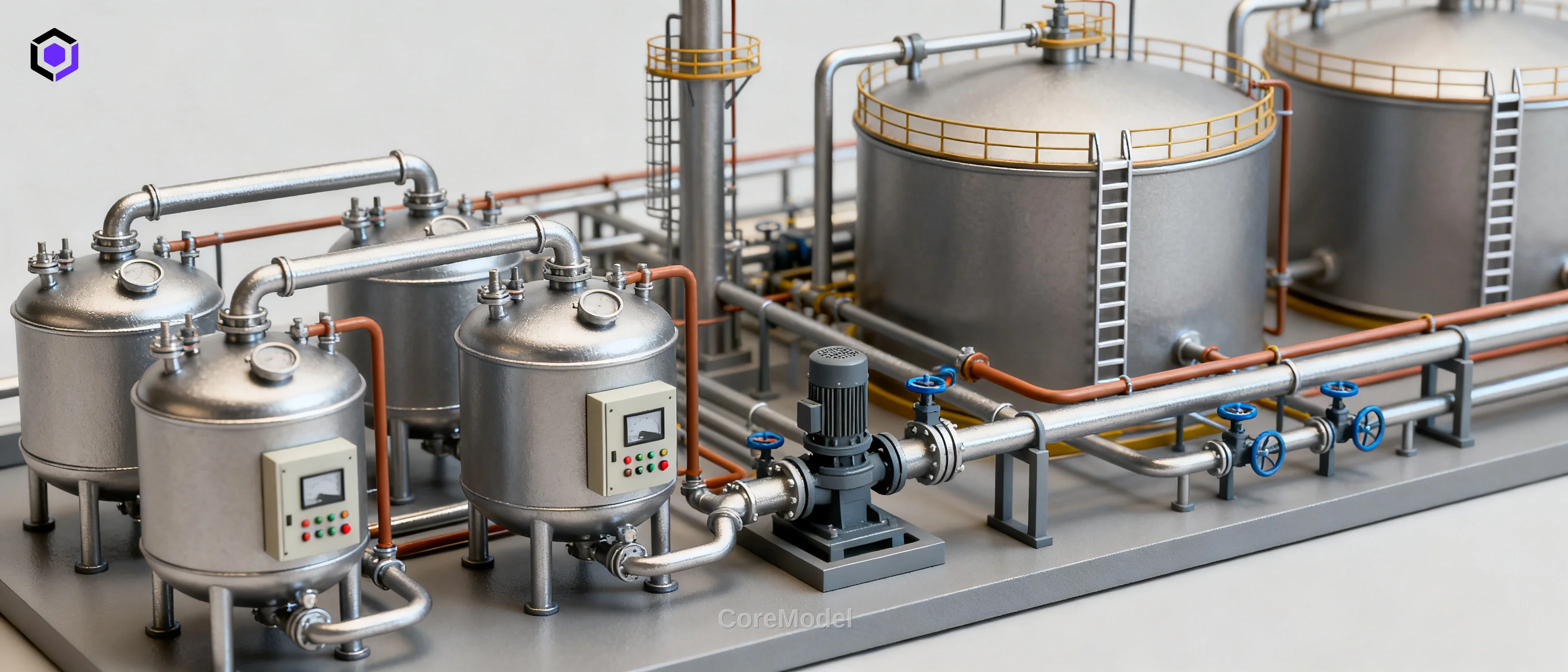
In the complex world of chemical engineering, chemical plant models serve as indispensable tools for design, communication, and training. These scale replicas provide a tangible representation of intricate processes, allowing stakeholders to visualize layouts, understand workflows, and optimize operations. At CoreModel, we specialize in crafting high-precision chemical plant models that cater to the diverse needs of the petrochemical industry.
Why Chemical Plant Models Matter
Chemical plants are inherently complex, with thousands of components working in unison. A physical model distills this complexity into an understandable format. Industrial scale models are used for:
- Design Verification: Engineers can spot potential clashes or inefficiencies before construction begins.
- Stakeholder Communication: Investors and regulatory bodies can grasp the project scope quickly.
- Training and Safety: Operators can familiarize themselves with the plant layout in a risk-free environment.
- Marketing and Exhibitions: A striking model draws attention at trade shows and client presentations.
Types of Chemical Plant Models
Depending on the application, chemical plant models vary in scale, material, and level of detail. Common types include:
1. Process Flow Models
These models highlight the flow of materials through the plant, often using color-coded pipes and animated elements to depict chemical reactions and separations.
2. Physical Layout Models
Focusing on the spatial arrangement of equipment, these models show the precise location of reactors, columns, heat exchangers, and storage tanks.
3. Training Simulator Models
Interactive models with movable parts or digital interfaces are used for operator training, simulating start-up, shutdown, and emergency procedures.
Key Features of High-Quality Chemical Plant Models
At CoreModel, we ensure every model meets rigorous standards:
- Accuracy: Based on P&IDs, 3D CAD data, and site surveys.
- Durability: Constructed from high-grade acrylic, ABS, and metals.
- Detail: Includes walkways, ladders, safety rails, and even miniature personnel.
- Customization: Tailored to specific processes, from refinery units to pharmaceutical plants.
Applications Across Industries
Chemical plant models are not limited to petrochemicals. They are widely used in:
- Oil & Gas: Refineries, LNG terminals, and offshore platforms.
- Pharmaceuticals: API production facilities and cleanrooms.
- Food & Beverage: Processing plants and breweries.
- New Energy: Biofuel plants and hydrogen production units.
How CoreModel Delivers Excellence
With over 15 years of experience and clients in 80+ countries, CoreModel has established itself as a trusted partner for custom industrial dioramas. Our chemical plant models are crafted by a team of skilled artisans and engineers who understand the intricacies of chemical processes. We leverage advanced technologies such as laser cutting, 3D printing, and CNC machining to achieve unmatched precision.
Our process includes:
- Consultation: Understanding your objectives and technical requirements.
- Design: Creating detailed 3D renderings for approval.
- Production: Fabricating the model with premium materials.
- Delivery: Safe packaging and worldwide shipping.
Choosing the Right Model Manufacturer
When selecting a partner for chemical plant models, consider:
- Experience: Look for a proven track record in the chemical sector.
- Portfolio: Review previous projects for complexity and realism.
- Materials: Ensure the use of durable, high-quality materials.
- Service: Comprehensive support from design to after-sales.
CoreModel excels in all these areas, offering end-to-end solutions that bring your chemical plant to life.
Conclusion
Chemical plant models are more than just scale replicas; they are powerful communication and planning tools. Whether you are designing a new facility, training staff, or showcasing your technology, a precise model can make a significant difference. Partner with CoreModel to create a model that embodies accuracy, durability, and visual impact. Contact us today to discuss your project.