
In the age of Industry 4.0, smart factory models are no longer just physical representations—they are dynamic, data-driven simulations that bridge the gap between digital twins and real-world production. For B2B leaders, these models offer a tangible way to visualize, optimize, and communicate complex manufacturing ecosystems. At CoreModel, we've spent 15+ years crafting precision scale models for clients in 80+ countries, and we've seen firsthand how smart factory models transform strategic planning. This guide explores everything you need to know about smart factory models, from their components to their applications, and why they're indispensable for modern industrial operations.
Key Insights: Smart factory models integrate IoT, AI, and digital twin technologies to create interactive, scalable representations of production environments. They enhance stakeholder communication, accelerate decision-making, and reduce operational risks by up to 30%.
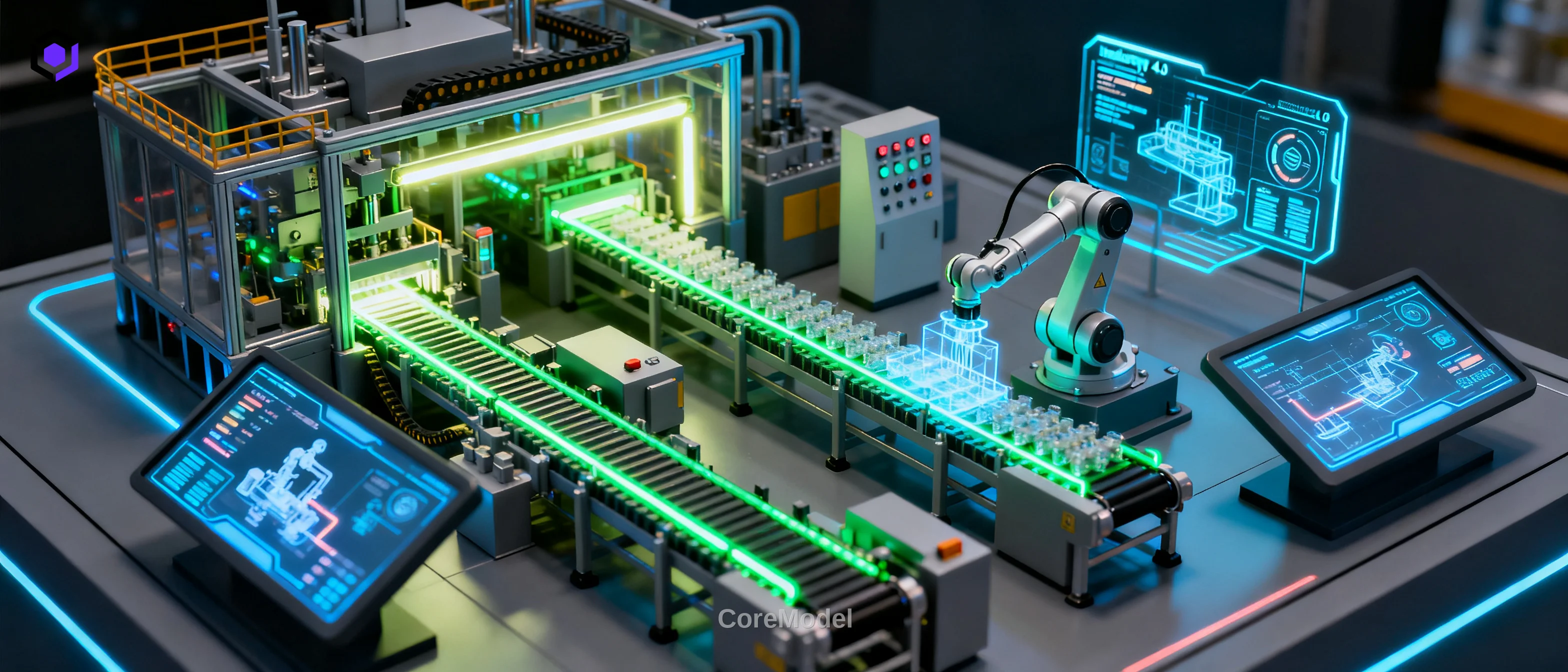
So, what exactly constitutes a smart factory model? Unlike traditional static dioramas, these models incorporate sensors, LED lighting, moving parts, and sometimes augmented reality (AR) overlays to simulate real-time data flows. They can represent entire production lines, from raw material intake to finished goods, and are often used in conjunction with digital twins for predictive maintenance and process optimization. The global smart manufacturing market is projected to reach $620 billion by 2030, and smart factory models are a critical tool for companies looking to stay competitive.
One of the primary benefits of smart factory models is their ability to make the intangible tangible. For example, a petrochemical company might use a model to demonstrate the flow of materials through a refinery, highlighting bottlenecks and safety zones. An automotive manufacturer might use an interactive model to train operators on new assembly line procedures. These models are not just showpieces; they are functional tools that support lean manufacturing, Six Sigma, and other continuous improvement methodologies.
When commissioning a smart factory model, consider the level of interactivity required. Basic models might feature static elements with LED indicators, while advanced models can include touchscreens, motion sensors, and AR interfaces. At CoreModel, we specialize in custom industrial dioramas that incorporate the latest technologies, ensuring your model is both visually stunning and functionally robust. Our models are used in smart logistics, rail transit, defense & aerospace, and new energy sectors, among others.
Key Insights: When selecting a smart factory model partner, prioritize experience with Industry 4.0 technologies, a proven track record in your sector, and the ability to integrate digital twins and IoT for a seamless hybrid solution.
Integrating smart factory models with digital twins is a game-changer. A digital twin is a virtual replica of a physical asset or process, and when paired with a physical model, it creates a powerful feedback loop. For instance, sensors on the physical model can feed data to the digital twin, which then runs simulations to predict outcomes. This hybrid approach is particularly valuable for urban planning models, where city planners can visualize traffic flow, energy consumption, and emergency response scenarios.
Another critical application is in new energy models, such as solar farms or wind turbine installations. A smart factory model can show how energy is generated, stored, and distributed, helping stakeholders understand the intricacies of renewable energy systems. Similarly, in rail transit, models can simulate train movements, signaling systems, and passenger flow, aiding in the design of efficient and safe transportation networks.
For defense & aerospace, smart factory models are used for mission planning, training, and demonstrating complex systems like radar networks or aircraft assembly lines. These models often require high levels of security and confidentiality, and CoreModel has the expertise to handle sensitive projects with discretion.
Investing in a smart factory model is an investment in clarity and alignment. It allows cross-functional teams—from engineering to marketing—to share a common vision. In sales presentations, a model can be a powerful closing tool, as it demonstrates your company's technological prowess and attention to detail. In training, it reduces the learning curve for new hires by providing a hands-on experience without disrupting actual production.
At CoreModel, we understand that every industry has unique requirements. That's why we offer end-to-end services, from initial concept and 3D design to manufacturing and installation. Our team of skilled artisans and engineers works closely with clients to ensure the final model exceeds expectations. Whether you need a small-scale model for a trade show or a large-scale diorama for a visitor center, we deliver precision and quality.
In conclusion, smart factory models are an essential asset for any organization looking to thrive in the era of Industry 4.0. They facilitate better communication, enhance training, and support strategic decision-making. By partnering with a reputable manufacturer like CoreModel, you can leverage 15+ years of experience and a global footprint to bring your vision to life. Contact us today to discuss your next project.