
Architectural models have long served as the tangible bridge between visionary concepts and constructed realities. In an era dominated by digital rendering, the physical scale model remains an indispensable tool for stakeholders who demand clarity, precision, and emotional engagement. At CoreModel, we have spent over 15 years perfecting the art and science of architectural model making, delivering custom solutions to clients across 80+ countries.
Key Insight: Architectural models reduce project risk by up to 40% by revealing design flaws and spatial relationships before construction begins.
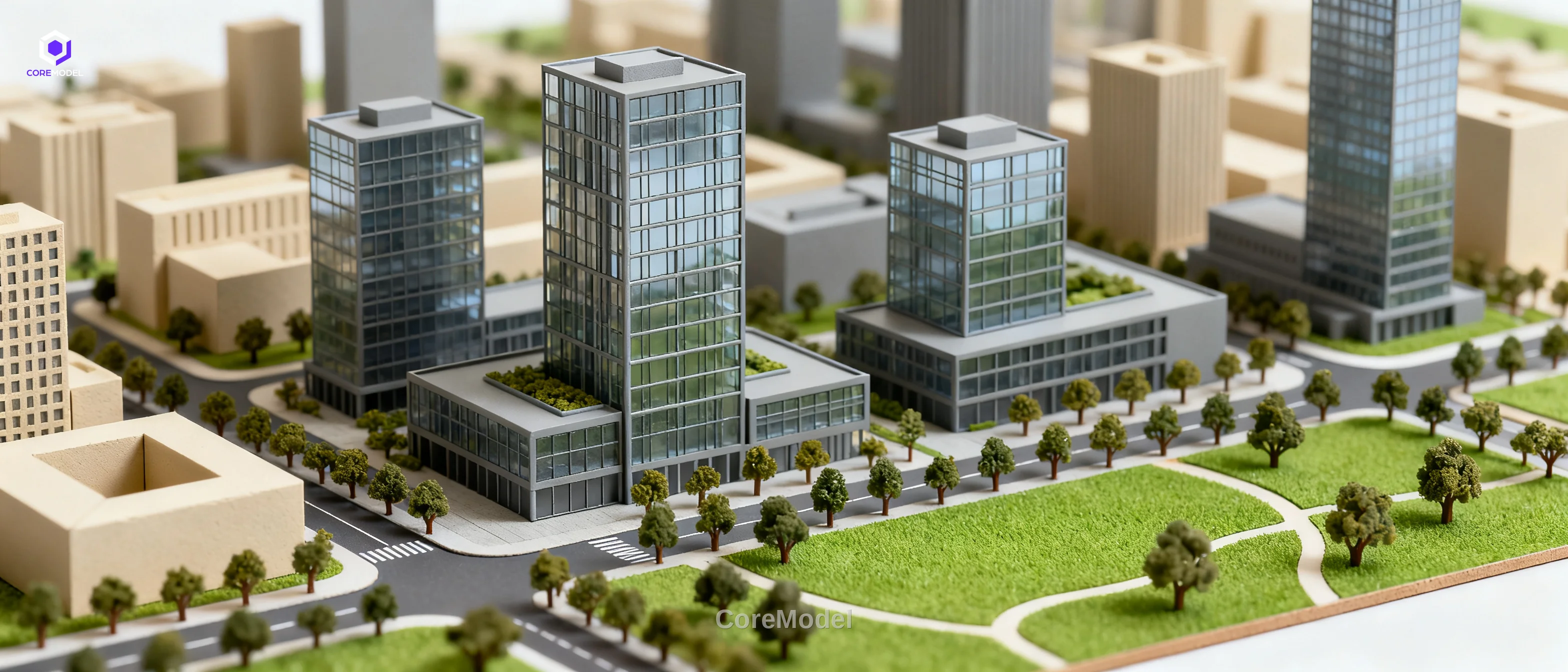
From intricate urban planning models that simulate entire city blocks to detailed industrial dioramas that showcase manufacturing processes, the applications are vast. Modern architectural models incorporate advanced materials such as acrylic, resin, and 3D-printed components, enabling unprecedented levels of detail. Whether you need a miniature high-rise for a real estate presentation or a complex petrochemical plant layout for safety training, the physical model offers a tactile, intuitive understanding that no screen can replicate.
The process of creating a high-quality architectural model begins with a deep understanding of the project's goals. Our team collaborates with architects, engineers, and developers to translate 2D drawings and 3D CAD files into physical forms. Laser cutting, CNC milling, and hand assembly are combined to achieve accuracy within 0.1mm. For large-scale projects like rail transit models or defense and aerospace displays, we often integrate LED lighting, moving parts, and interactive elements to enhance storytelling.
Key Insight: Interactive architectural models with lighting and motion increase client engagement by 60% during presentations.
One of the most transformative trends in architectural modeling is the fusion of physical and digital. By embedding QR codes or augmented reality markers, viewers can scan the model to access real-time data, construction timelines, or virtual walkthroughs. This hybrid approach is particularly powerful for smart logistics models and new energy installations, where operational dynamics are as important as aesthetics.
For B2B clients, the value of an architectural model extends beyond initial presentation. It becomes a permanent reference tool for training, marketing, and ongoing project management. At CoreModel, we have delivered models for everything from high-speed rail networks to oil refineries, each tailored to communicate complex information at a glance. Our expertise in materials, lighting, and scale ensures that every model is not just a replica, but a strategic asset.
When selecting an architectural model manufacturer, consider factors like turnaround time, material quality, and after-sales support. CoreModel’s 15+ years of experience and global logistics network guarantee that your model arrives safely and on time. Whether you need a single diorama or a series of models for international exhibitions, our team is ready to bring your vision to life.
Key Insights:
- Architectural models improve communication among diverse stakeholders.
- Hybrid physical-digital models offer enhanced interactivity.
- Custom models can be produced for any industry, from aerospace to urban planning.
In conclusion, architectural models remain a cornerstone of effective project communication. By combining traditional craftsmanship with modern technology, CoreModel helps clients achieve clarity, win approvals, and build confidence. Contact us today to discuss your next model project.